
 Payment
  My Account
Clearit.ca's Blog on Customs Brokerage and News Updates
What Is A Customs Broker?
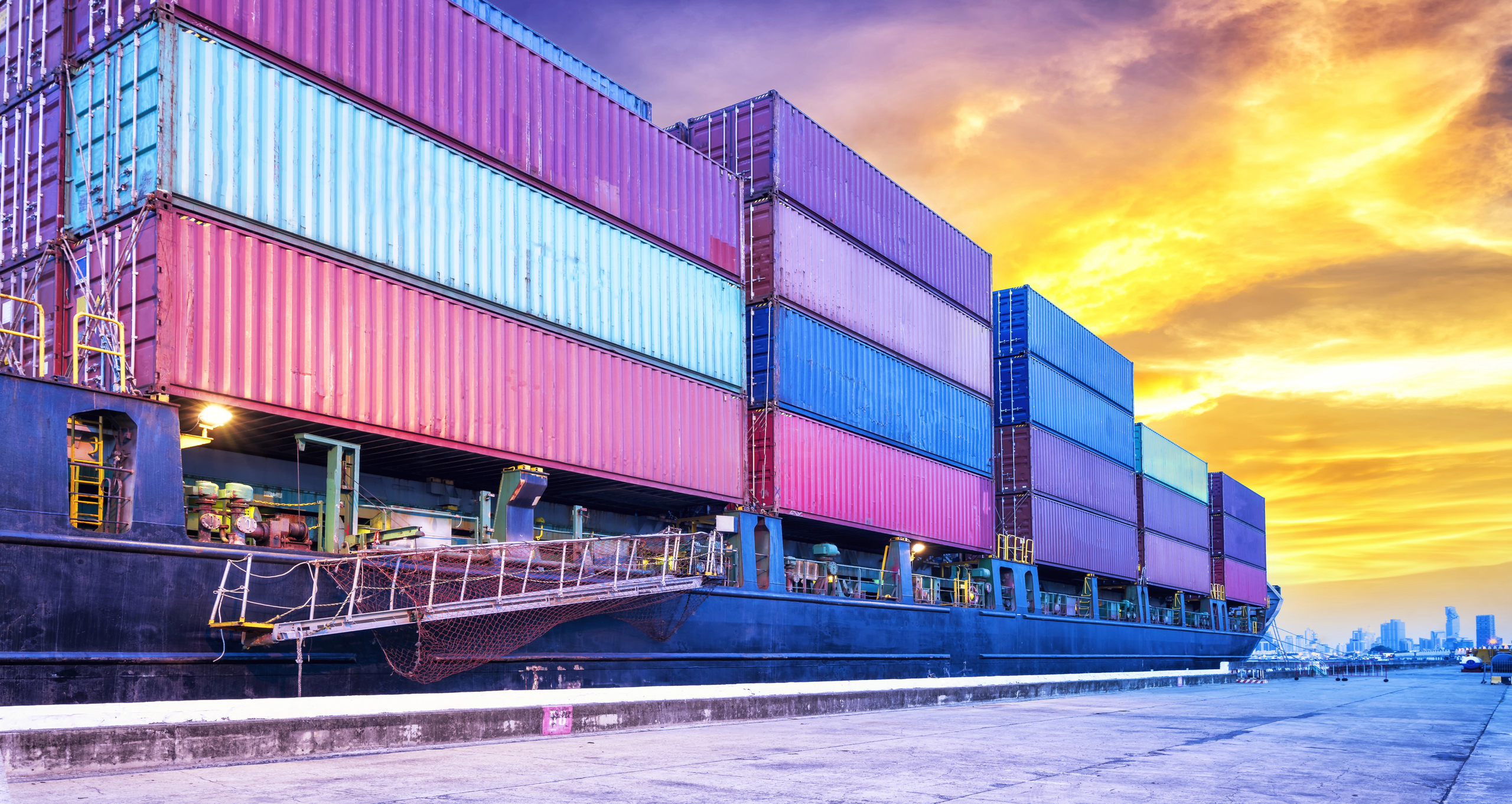
A customs broker, also known as a customs agent or customs services provider, acts as an intermediary between importers/exporters and the Canada Border Services Agency (CBSA). They handle the complex customs clearance process, ensuring all paperwork, duties, and taxes are accurately completed and submitted, facilitating smooth and efficient cross-border transactions.
In addition to managing customs declarations, a customs broker provides strat...
What Is Country Of Origin?
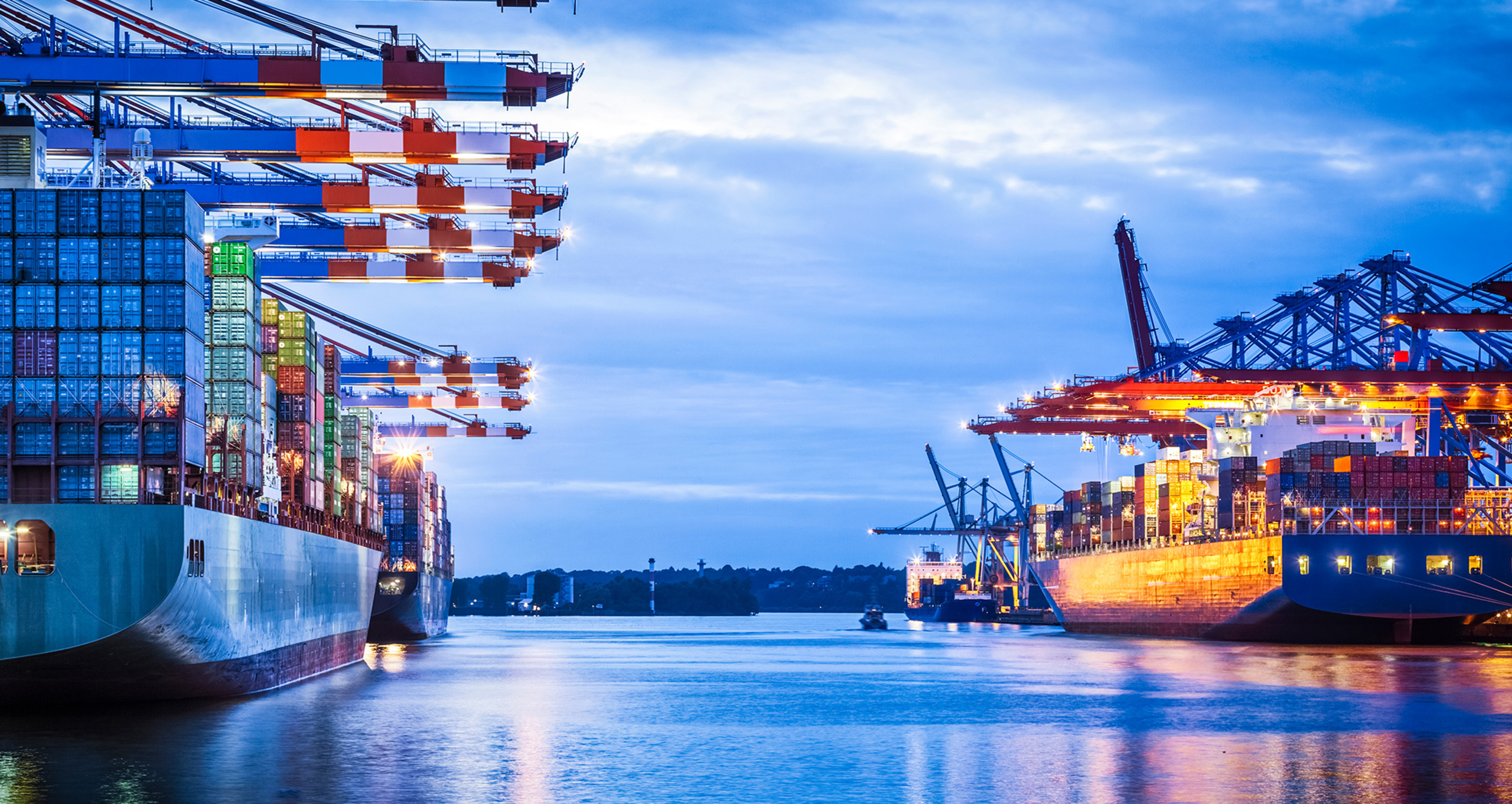
When you import goods into Canada, you must include a Certificate of Origin that clearly states the shipment’s Country of Origin. Local authorities use this certificate to determine any tariffs on your goods before they’re released from Canadian customs.
While listing your shipment’s Country of Origin may seem straightforward, it’s far from reality, and incorrectly listing the country of origin can lead to penalties like delays in cl...
Canada Cross Border Shopping
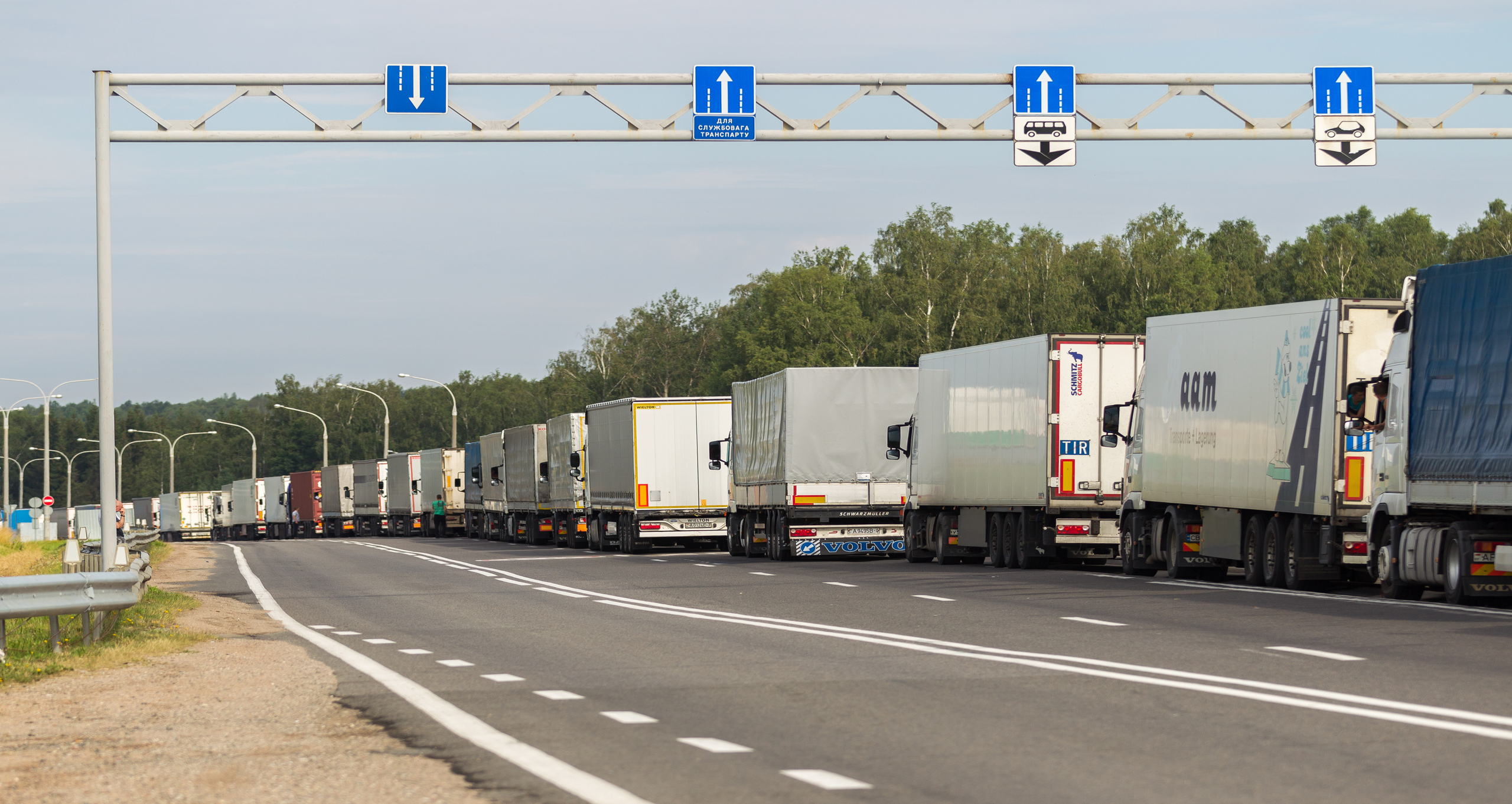
Have you ever taken a quick trip to Plattsburgh to stock up on your favorite American snacks or hit the outlet malls for unbeatable deals? Maybe you’ve just returned from visiting family in Europe with a suitcase full of souvenirs. Whatever the reason for your travels, bringing back goodies to Canada can be exciting, but it can also come with a few hoops to jump through at customs.
This guide is for all the avid shoppers who love to pick up ...
Canada Prohibited Items: Key Information for Importers
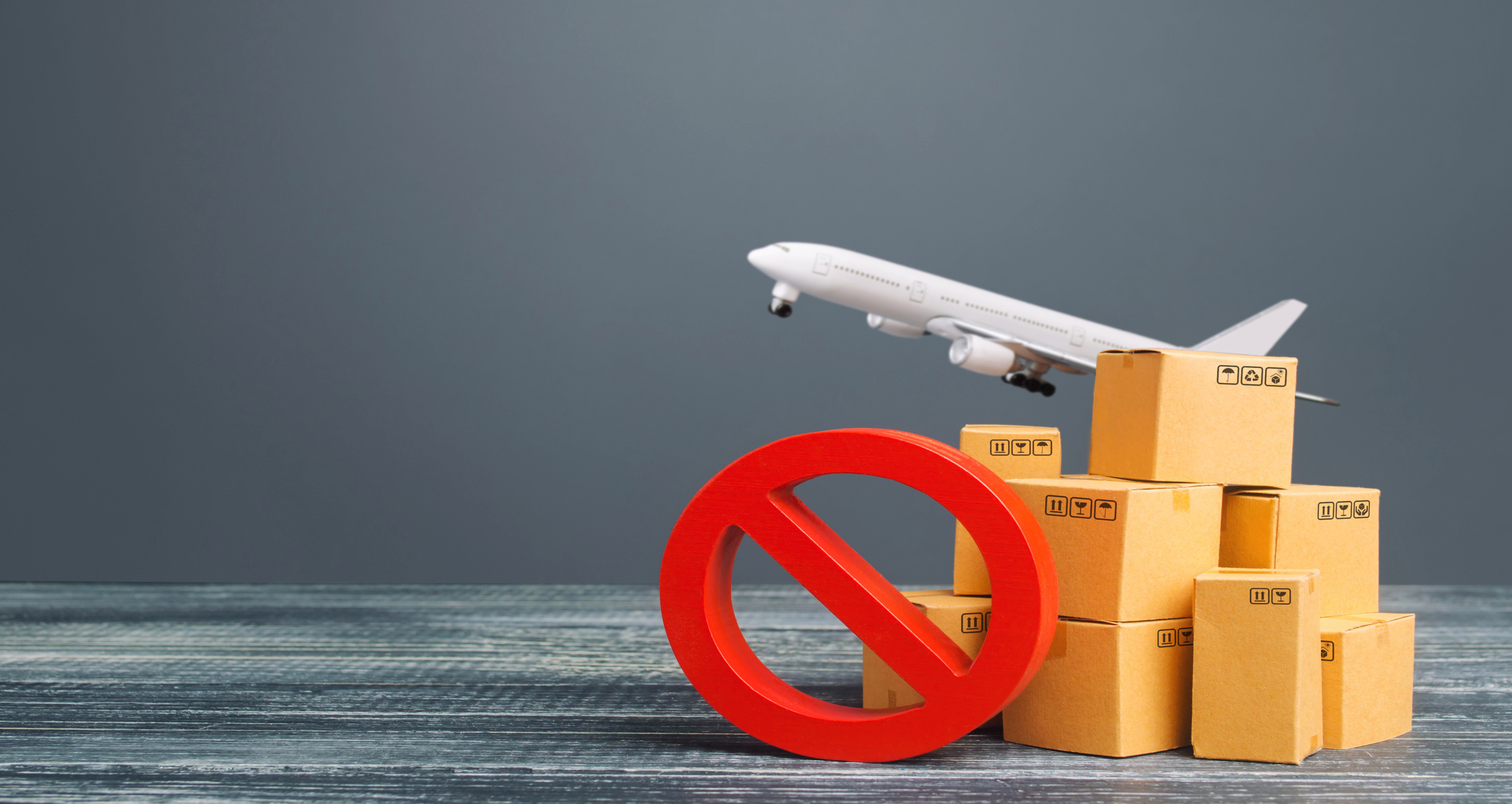
As an importer, your goal is to deliver exactly what your Canadian customers want. That said, Canada takes the safety, security, and well-being of its citizens seriously. As a result, several categories of goods are prohibited or restricted from entering the country.
To avoid penalties like fines, seizures, or prosecution, you need to know which items are banned and ensure all necessary permits are obtained. Understanding these regulations m...
GST, HST, PST – What’s the Difference?

If you’re a business importing a variety of goods into Canada—electronics, clothing, maybe even some specialty foods—the following scenario is likely all too familiar. As your shipment arrives, you’re suddenly faced with a slew of taxes. You see GST on some items, HST on others, and in certain provinces, PST comes into play too. It can be confusing to figure out which tax applies to which products and how much you need to pay for each. Wi...
Importing A Vehicle Into Canada: 5 Steps

If you are a Canadian importer, or a U.S. exporter looking to receive or ship vehicles to Canada, you might be surprised to find out that this process is not as easy as 1-2-3. In fact, it’s a very long and drawn out, multistage process.
We've simplified the intricate process of transporting a vehicle from the U.S. to Canada into five easy steps. While there is a wealth of detailed information available from official sources like Transport Ca...
Streamlining Customs Clearance for E-commerce Businesses During Canada’s Summer Peak Season

With school out, vacation plans in full swing, and countless milestones to celebrate, Canadian e-commerce businesses are busy in summer. People are shopping online for everything from trip essentials to fun activities for their kids during heatwaves, and yes, getting a jump on back-to-school supplies. In 2023 alone, e-commerce businesses in Canada recorded close to 12 billion Canadian dollars in sales from June through August.
But with this su...
Strategies for Handling Delays at Canadian Ports
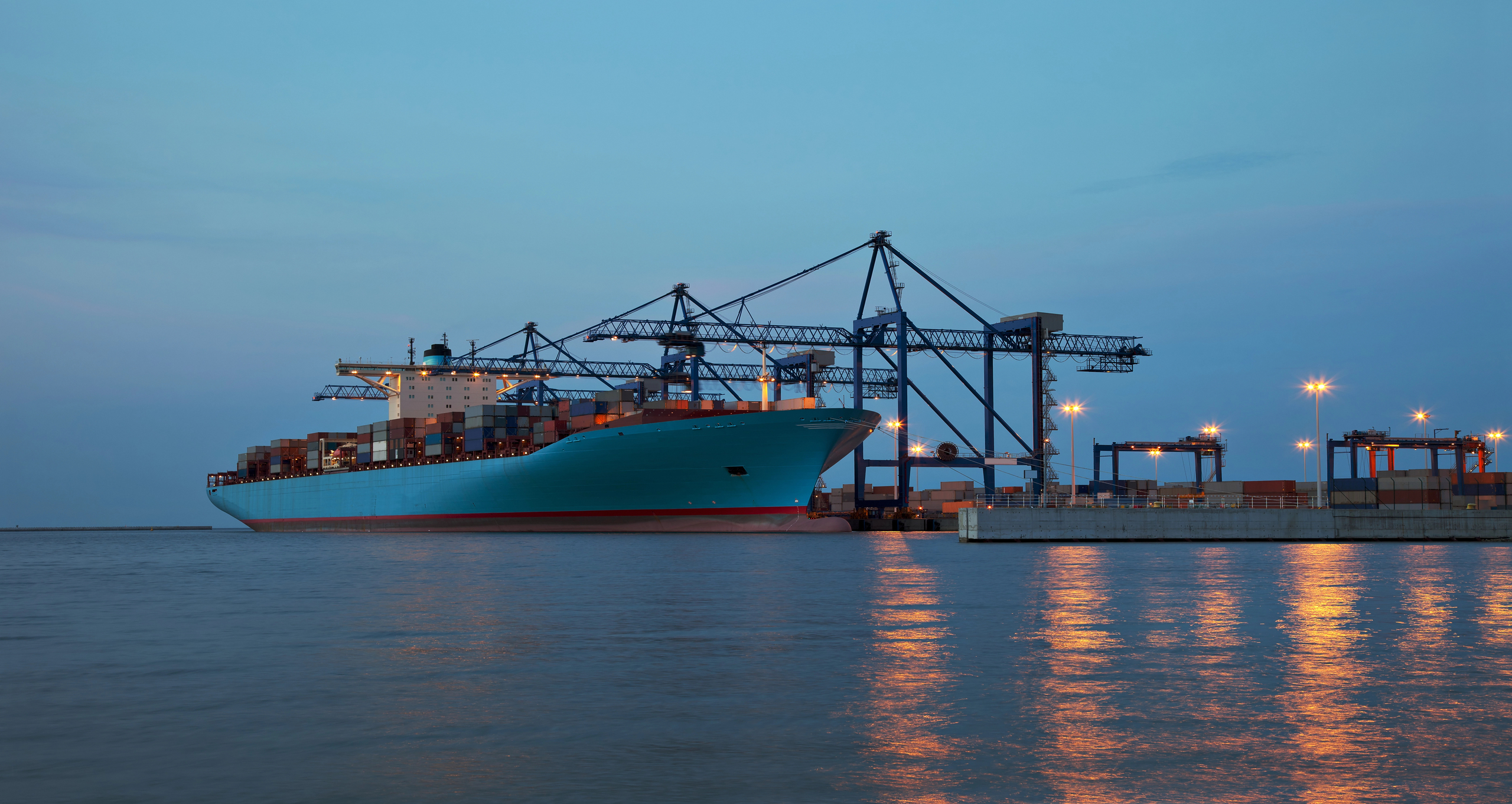
You’ve done everything right: your documents are in order, your duties are paid, and your shipment has traveled far. But now, you’re facing delays at Canadian ports, and it feels like things are out of your hands. And guess what? You’re not alone.
Port congestion happens when ports get overwhelmed by too much cargo coming in and going out, and it’s a massive headache for businesses, causing delays, disruptions, and extra costs. In 2023...
Canadian Customs Regulations: An Overview
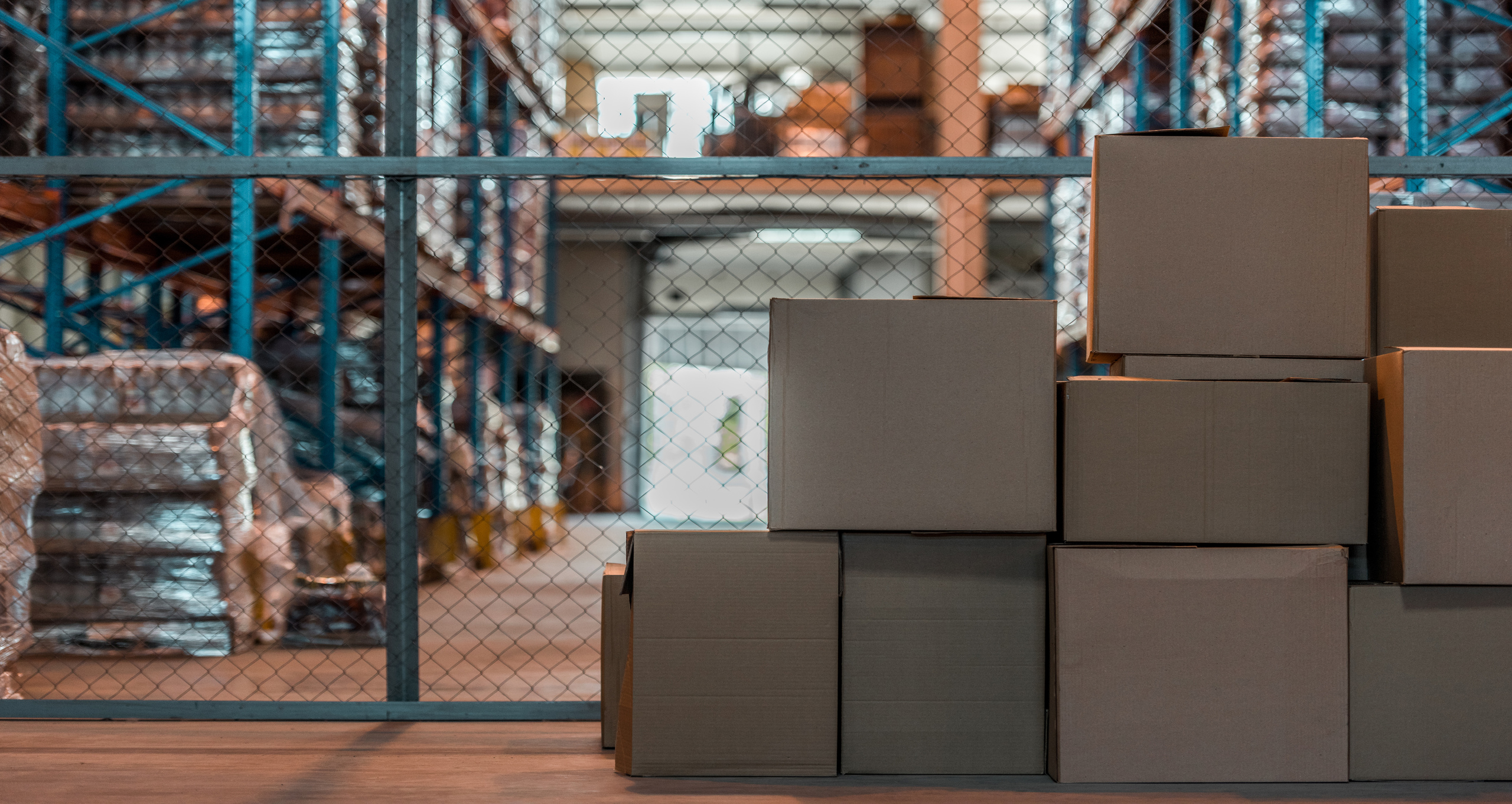
The import market is fiercely competitive, and to win, you have to play by the rules. In 2023 alone, Canada processed 19.9 million imported goods and 107.7 million courier shipments - by September. And because so many imported goods are processed, the Canadian government has mandated a whole series of regulations.
Canadian customs regulations achieve several goals: they protect the country’s economic interests by applying duties and taxes to...
Overview of Canadian Customs Regulations (Canadian Customs Regulations Made Easy)
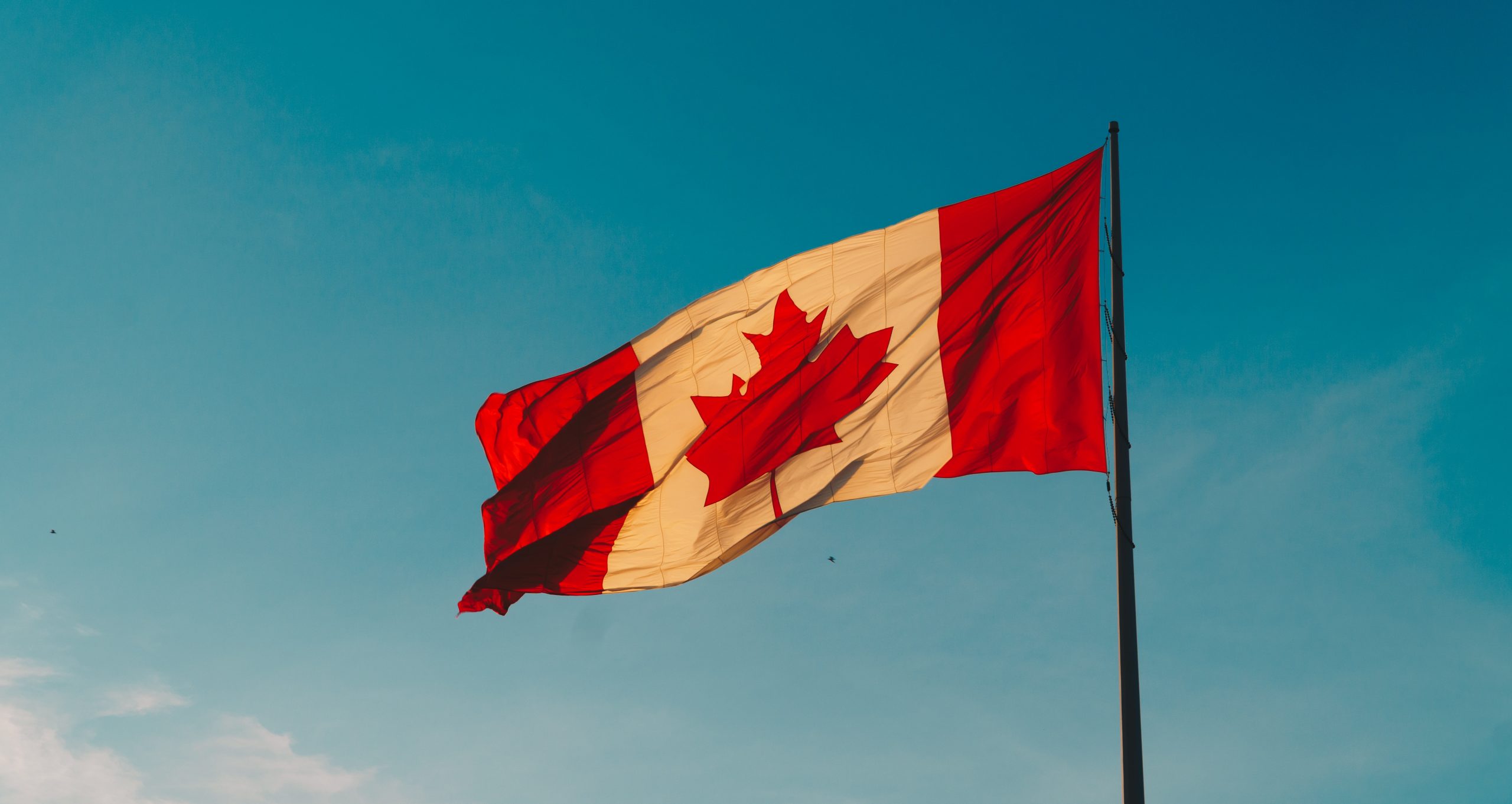
The import market is fiercely competitive, and to win, you have to play by the rules. In 2023 alone, Canada processed 19.9 million imported goods and 107.7 million courier shipments - by September. And because so many imported goods are processed, the Canadian government has mandated a whole series of regulations.
Canadian customs regulations achieve several goals: they protect the country’s economic interests by applying duties and taxes to...
