
 Payment
  My Account
Clearit.ca's Blog on Customs Brokerage and News Updates
Major Trade Developments and Global Trade Opportunities Forthcoming for Canadian Businesses
Each and every year the international trade markets change. 2016 will certainly be no different. Canadian businesses can expect a whirlwind of changes if they import or export goods. These developments cover a wide range of topics and years of implementation and negotiation. To ensure your importing or exporting business continues to run smoothly, you'll want to educate yourself on the forthcoming changes.
Here are seven major international tr...
SMEs See Need for Reform of Rules of Origin

Small and medium-sized firms often find it is cheaper and easier to pay customs duties, instead of complying with the Rules of Origin (ROO) requirements could give them preferential tariffs under trade agreements. A new report, "Making Free Trade Deals Work for Small Business: A Proposal for Reform of Rules of Origin" was released that outlines a proposal using "presumption of origin" to improve SME access to the FTA preferential tariffs. Dan Ciu...
Bank of Canada’s Interest Rate Cut Affects Importers

According to economists, the recent interest rate cut by the Bank of Canada may not benefit small- and medium-sized businesses as presumed.
With the new rate cut, the Canadian dollar also dropped in value and now has the potential to harm a significant number of businesses.
When the rate was cut by 25 basis points to 0.5 %, the loonie also dropped more than one cent. This is a six-year low and in American dollars translates to 77.40 cents. ...
Canada and the Trans-Pacific Partnership Trade Talks

Intensive negotiations began on Tuesday in Hawaii as trade ministers met from 12 Pacific Rim countries to discuss the Trans-Pacific Partnership. The Trans-Pacific Partnership, or TPP, has been called one of the biggest trade deals of all time. Yet, the effects on Canada and its citizens remain to be seen.
What Is TPP?
Before we discuss how the deal will influence Canadian companies and citizens, an understanding of the deal is needed. The TPP i...
Navigating Gross Versus Net Weight

Any businessperson or shop owner who moves product and cargo through shipping lines must have an understanding of gross weight and net weight. Operating your business without a firm grasp of what these terms mean could lead to a needless waste in spending. Consumers would also benefit from knowledge of these concepts, as some disingenuous companies deliberately hide a paltry amount of product behind the promise of a heavy gross weight.
Tare Weig...
How To Clear Customs For Commercial Products In Canada

When having goods shipped to Canada, unless shipped by courier, you will require the services of a Customs broker. While it is not mandatory to use a Customs Broker to transact with the Canada Border Services Agency (CBSA), it is highly recommended to do so as even the smallest of errors can lead to heavy penalties. For a small fee, a Customs Broker will ensure that your commercial goods are entering the country legally, are properly documented a...
How Long Does It Take For Goods to Clear Customs
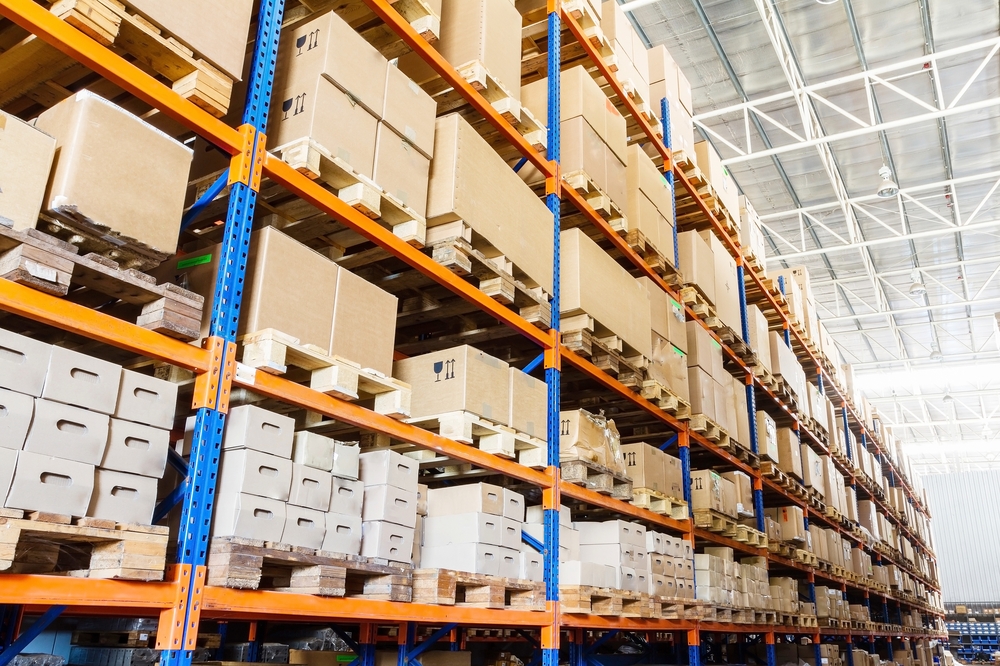
The customs release of a shipment can take anywhere from 20 minutes to several days depending on circumstances. Once your Customs Broker has completed your entry for customs and transmits the data, it takes about 20 minutes for the Canada Border Services Agency (CBSA) to receive it. Now that your entry has been received by the CBSA, it is now up to an officer to review the entry and either accept or reject the shipment – This step of course can...
How Does Canadian Customs Work?

Each and every commercial item crossing the border into Canada must be declared, accounted for, and if applicable, have duty and taxes paid in full.
In order to identify a product or commodity and establish its duty rate, the Canada Border Services Agency uses the HS (Harmonized System) code identifier administered by the Brussels-based World Customs Organization. This HS code system is comprised of over 5,000 commodity groups in 100 chapters....
Don’t Get Stuck at the Border when Shipping to Canada
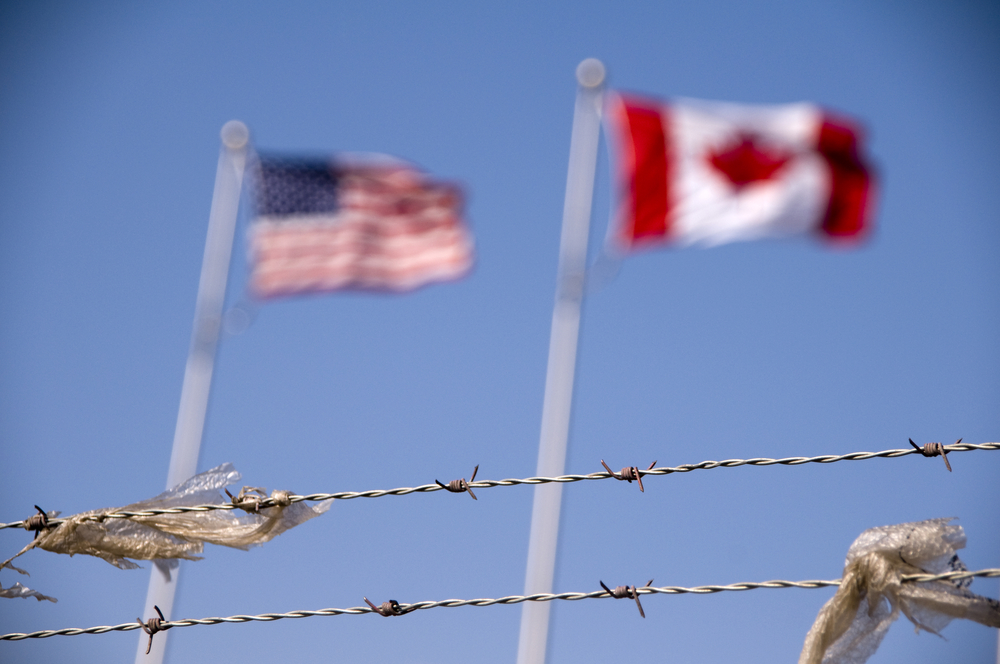
Customs compliance can be confusing no matter which country you’re shipping to. Many businesses in the United States believe expanding and shipping to Canada will be a breeze. This is not always the case. Many manufacturers and importers have found the compliance process in Canada to be quite cumbersome.
The key to navigating the compliance process and ensuring your products don’t get stuck at the border is hiring a qualified logistics pro...
Managing The Customs ACI eManifest Changes
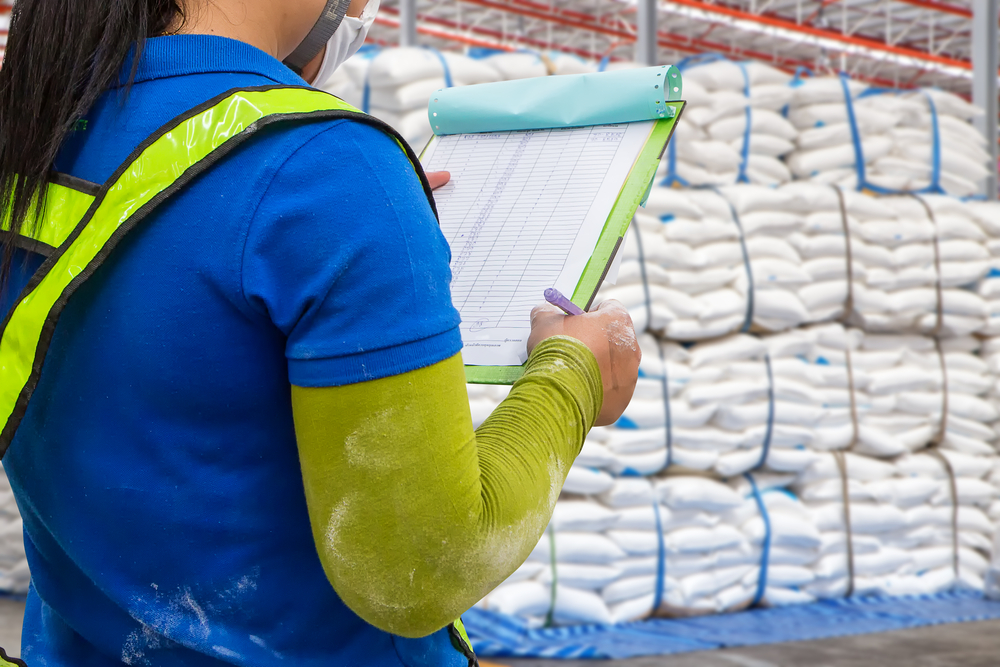
Recently the Canadian Produce Marketing Association (CPMA) released a notice sent from the Canada Border Services Agency (CBSA) listing all eManifest requirements. As the changes announced are aimed at carriers, most importers are only affected by the changes in information needed from the carrier when submitting CBSA and Canadian Food Inspection Agency (CFIA) information for release through a customs broker. These changes revolve around increase...
