
 Payment
  My Account
Clearit.ca's Blog on Customs Brokerage and News Updates
How the Courier Low Value Shipment (CLVS) Program Works (and Why Businesses Misuse It)
The Courier Low Value Shipment (CLVS) Program was designed to speed up border clearance for low-risk, low-value imports. But in recent years, it has become one of the most misunderstood and misused customs programs in Canada.
For businesses, especially e-commerce sellers, CLVS often appears to be an “easy button.” Faster clearance. Less paperwork. Lower upfront friction.
The problem? CLVS is not a business-scaling strategy, and CBSA is ...
The Difference Between Casual and Commercial Importers in Canada
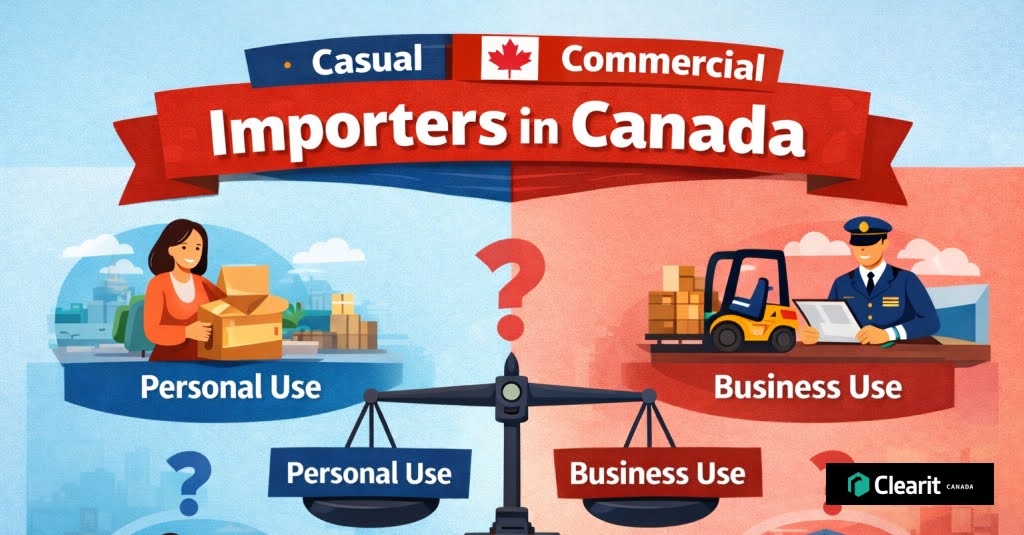
Not every importer is treated the same in Canada.
If you’ve ever brought goods across the border, whether it was a one-off personal purchase or regular inventory for your business, you may have heard the terms casual importer and commercial importer. The distinction matters far more than most people realize.
In 2025, with increased enforcement, tighter documentation rules, and greater data sharing between CBSA and other agencies, importer...
How to Handle Post-Import Corrections with CBSA (B2 Adjustments Made Simple)
When importing into Canada, one reality catches many businesses off guard: even after goods clear the border, mistakes can still surface. Incorrect HS codes, missing origin information, valuation errors, or courier misfilings are extremely common, and under CBSA rules, these issues must be corrected formally.
That’s where the B2 Adjustment Request comes in.
In today’s high-enforcement environment, B2s aren’t optional paperwork; they�...
Most Common CBSA Holds Explained: Document Review, VACIS, Exams & Random Checks
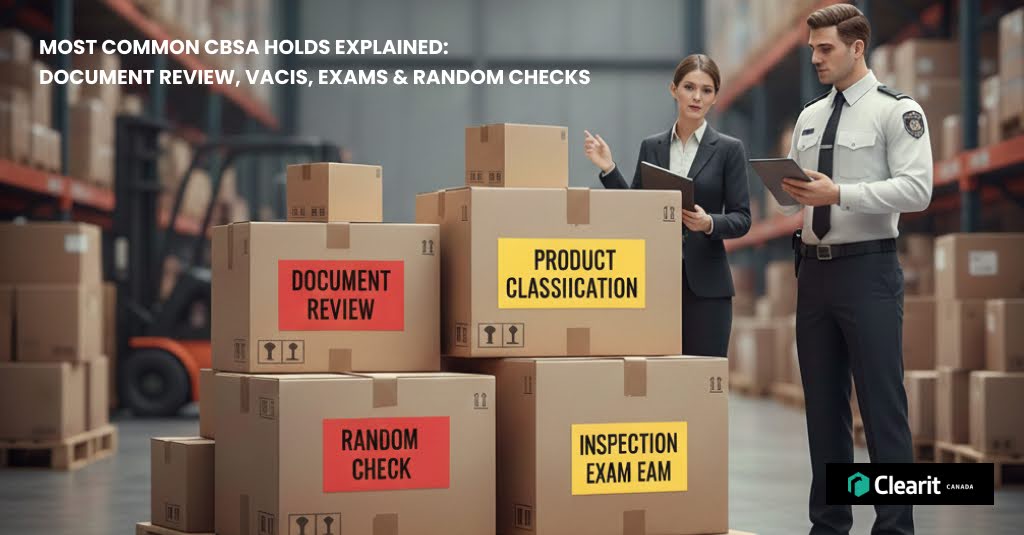
For many Canadian importers, having a shipment flagged by the Canada Border Services Agency (CBSA) can feel like hitting a wall—unexpected delays, rising storage fees, and anxious customers waiting for updates.
But CBSA holds aren’t random punishments—they’re signals that something in your paperwork, risk profile, or shipment triggered additional scrutiny.
In 2025, as cross-border enforcement tightens and documentation standards con...
Canadian Exporters Under Pressure: Preparing for Stricter U.S. Customs Documentation Rules
U.S. Customs and Border Protection (CBP) is tightening documentation enforcement across every import category, and Canadian exporters are feeling the pressure. What used to pass with minimal scrutiny is now triggering holds, queries, and even penalties. With trade volume between Canada and the U.S. at historic highs, CBP expects cleaner, more accurate data than ever before.
For Canadian exporters, one truth has become clear: documentation qual...
CUSMA vs. TPL: What Canadian Apparel Exporters Need to Know About U.S. Duty Relief
In 2025, Canadian apparel exporters face a stricter trade environment. Shipping garments into the United States now requires stronger documentation, tighter verification, and a deeper understanding of duty-relief programs. Yet many exporters, cut-and-sew facilities, fashion brands, and textile manufacturers still assume that producing apparel in Canada automatically qualifies their products for CUSMA (USMCA) duty-free treatment.
Unfortunately,...
The Truck Won’t Move Without a Broker: Navigating Cross-Border Shipping Changes in 2025
In 2025, cross-border trade between the U.S. and Canada has entered a new era. With the U.S. phasing out its $800 de minimis threshold, new enforcement task forces targeting import fraud, and tightened documentation rules across North America, trade compliance has never been more critical.
For Canadian importers and exporters, this means one thing: the days of “just ship it” are over.
If your truck doesn’t have a licensed customs broker...
From One-Off Parcels to Bulk Shipments: How Canadian Sellers Can Adapt Post-De Minimis
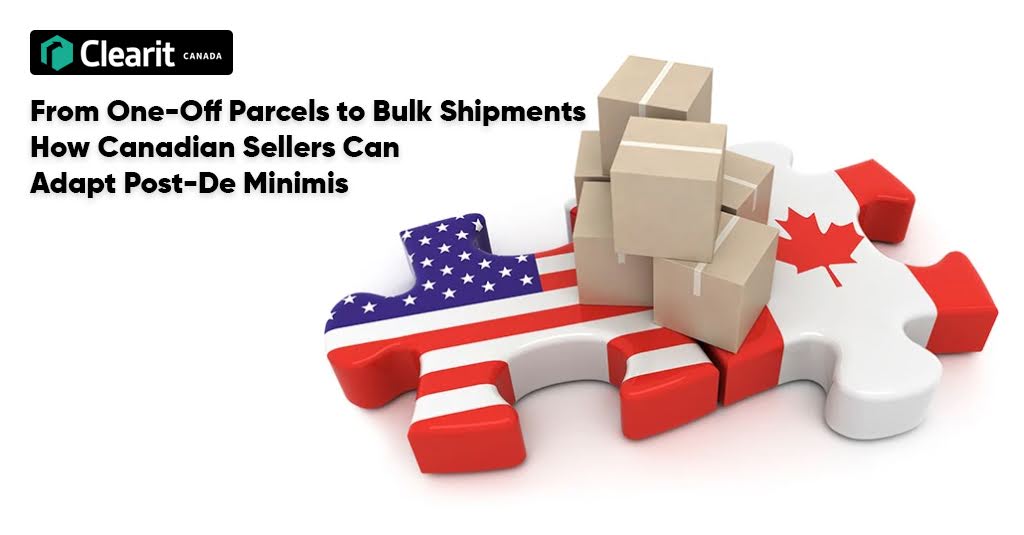
For years, Canadian e-commerce sellers enjoyed a frictionless route into the U.S. market, small, frequent shipments valued under $800 that breezed through customs without duty or formal entry.
However, with the end of the U.S. de minimis threshold on the horizon, that era of effortless cross-border trade is nearing its end.
Today, success for Canadian exporters depends on something bigger, shifting from one-off parcels to smarter, consolidate...
What to Include in a U.S.-Ready Commercial Invoice: A Canadian Importer’s Guide
In 2025, cross-border shipping between Canada and the U.S. looks very different than it did a year ago.
Following the elimination of the U.S. $800 De Minimis threshold, even low-value parcels now require formal customs clearance.
Every compliant shipment starts with a complete, U.S.-ready commercial invoice.
This guide breaks down what a U.S.-ready commercial invoice must include, the most common mistakes to avoid, and how Canadian busines...
The Rise of Audits: How Canadian Businesses Can Prepare for Stricter U.S. Enforcement
As cross-border trade between Canada and the U.S. continues to grow, so does regulatory scrutiny. In 2025, Canadian importers and exporters now face stricter U.S. Customs and Border Protection (CBP) enforcement — and a surge in post-entry audits.
From USMCA origin verification to IEEPA tariff refunds and valuation checks, compliance standards are tightening, and Canadian businesses must adapt before the audit letter arrives.
This article ...
