
 Payment
  My Account
Clearit.ca's Blog on Customs Brokerage and News Updates
Importing Cars into Canada during COVID Times

A common inquiry that our customs experts field from importers is concerning automobiles. What are the due processes surrounding the import of cars into Canada? What does CBSA expect from importers (+exporters, manufacturers, etc.)? It’s a process that’s not without specific requirements.
There is now an additional layer of complexity on the process as the pandemic has tweaked the CBSA process. In previous articles on the topic of COVID-...
Other Government Departments (OGDs) Importers Need to Know About

Most importers are familiar with Canada Border Services Agency (CBSA) and their dealings. This is the primary government agency that importers must be accountable to - and in compliance with. However, there are other government departments (OGDs) that CBSA works in tandem with. In most cases, this happens when the imported goods must be inspected or in compliance with the OGDs.
In fact, there are a total of 15 OGDs that can get involved in t...
5 Frequently Asked Questions about Customs Clearance
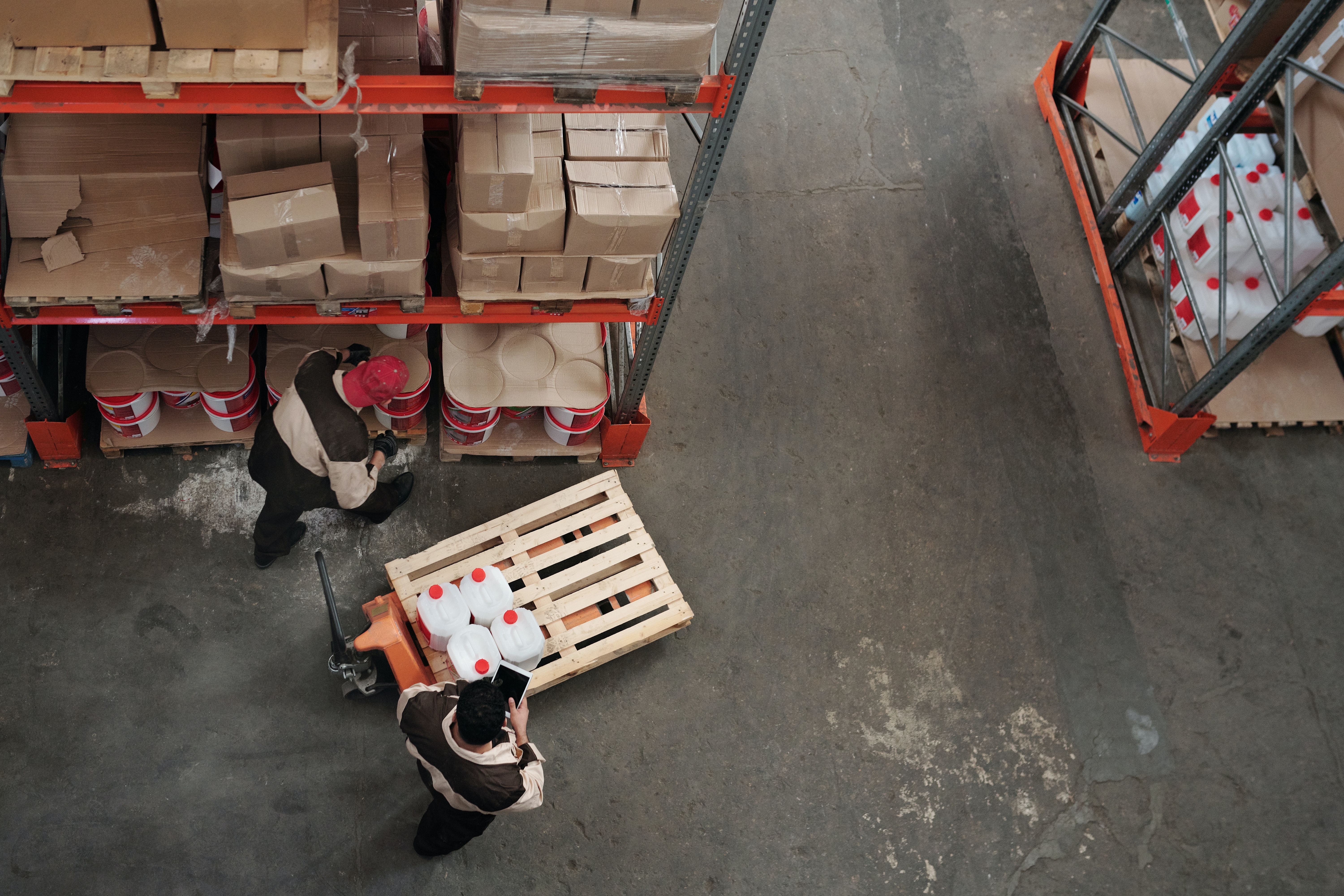
With online shopping continuing to boom (even throughout a pandemic!), more and more individuals are taking on importing commercial goods. The reality is that not everyone in the supply chain / global trade space has a good foundation of knowledge on customs clearance.
Having a handle on the specifics regarding all things customs will help your business thrive - as a misstep here can lead to delays, fines, and seizure of goods. As such, we f...
CBSA Using Blockchain: What Does It Mean?

Led by tech giant IBM and shipping company Maersk, CBSA began a pilot project to evaluate a digital shipping solution called TradeLens. TradeLens is technology that was designed to improve data quality and facilitate shipment of goods using blockchain.
Quick aside: What is Blockchain?
Blockchain is a record of transactions, stored digitally. The name “blockchain” is derived from the name given to individual records -- blocks. These record...
CBSA Wants to Verify Customs Compliance: Now What?

Customs compliance verification, or audits, are conducted periodically by CBSA, with the importer being the responsible party. Verifying an importer’s customs compliance is one of the ways that Canada customs ensures that regulations and requirements are being respected.
As much of the documentation is self reported -- more so in the advent of CUSMA! More info below -- CBSA has committed to auditing importers on: customs duties, excise dut...
Trade Compliance: 5 New Orders & Regulations for CUSMA

In continuing our series about CUSMA/USMCA/T-MEC, we’re taking a closer look at the orders and regulations published through the Canadian Government in the Canada Gazette at the end of July.
It’s been a little over a month since CUSMA’s official enactment, for which we’ve been covering various elements that those in the logistics/supply chain space need to be apprised of. For example, here are the pieces we’ve put out on the topic:...
Transitioning to CUSMA: A Toolkit for Importers
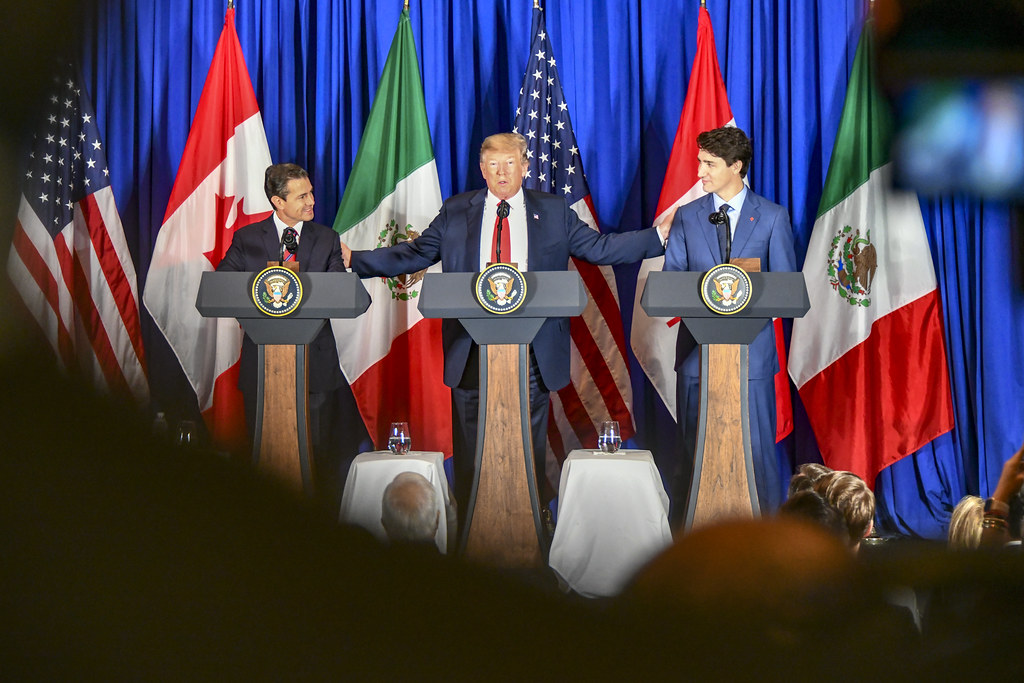
In preparation for CUSMA (or USMCA/T-MEC), we’ve put out many resources to help Canadians trade professionals -- or all North Americans in general -- adapt their practices. While the shift away from NAFTA caused some anxiety in the industry, it’s a trade agreement that proves to have some clear advantages over the previous one.
For those just becoming aware of this agreement, CUSMA is a free trade agreement between Canada, the United Sta...
The Benefits of CUSMA for SMEs

Last month, CUSMA/USMA/T-MEC was officially enacted. This FTA can also be referred to as the “New NAFTA”.
(Read about it here: CUSMA/USMCA: Meet The New NAFTA and CUSMA: Rules Of Origin & Certifying Origin)
In a survey conducted by DHL Express, International Trade Impact and Outlook, of over 2000 small and medium-sized companies, about 50% states that the pandemic made them more wary of global trade. Additionally and unfortunately...
All About “Reason to Believe” Deadlines

What is a “Reason to Believe” deadline?
As defined in Memorandum D11-6-6, refers to the case in which incorrect information provided for an imported shipment (origin, classification, value of duty, etc.) are deemed believable and not the fault of the importer. In this scenario, the importer or broker may submit the corrections to the documentation within a 90-day period.
On the deadline, the memorandum states:
“For example, the dat...
Importers & Remote Work: Mistakes To Watch Out For

Most working professionals are doing their work from a home office, as a result of current times. Importers (and many other people across the logistics sector) are no exception to this, as stipulated by government directives.
As such, importers must be hyper-vigilant in order to prevent mistakes. As trade law & sales tax firm lawyer, Cyndee Todgham Cherniak, states:
“[...] Business is not as usual. Importers have to adjust [...]. Most...
