
 Payment
  My Account
Retail packaging supplies are a foundational part of Canada’s import ecosystem, supporting eCommerce, retail stores, manufacturers, and distributors. From cardboard boxes and plastic wraps to branded packaging and protective materials, these products are imported in high volumes across industries.
Despite appearing simple, packaging supplies can involve complex customs considerations. Differences in material, intended use, and environmental regulations can affect classification, duties, and compliance requirements.
This guide explains duties, classification, compliance, documentation, and best practices for importing retail packaging supplies into Canada.
What Are Retail Packaging Supplies
Retail packaging imports include a wide range of materials such as:
- Corrugated cardboard boxes
- Plastic packaging (poly bags, shrink wrap, bubble wrap)
- Paper packaging (bags, cartons, labels)
- Branded packaging materials
- Protective packaging (foam inserts, cushioning)
- Tape, adhesives, and sealing materials
- Eco-friendly and biodegradable packaging
Each type of packaging may fall under a different tariff classification depending on the material and function.
Duties and Taxes on Packaging Supplies
Imported packaging materials are subject to:
- Customs duties (based on classification and origin)
- 5% GST
- Provincial taxes (if applicable)
Duty rates vary significantly depending on the material:
- Paper-based packaging often has a different tariff treatment than plastic products
- Adhesives and tapes may fall under chemical product classifications
- Branded packaging may be assessed differently depending on value and use
Goods that qualify under trade agreements, such as CUSMA, may benefit from reduced or zero duties.
Accurate classification is essential to determine correct duty rates.
Classification Challenges for Packaging Imports
Packaging supplies are often misclassified because of:
- Mixed materials (paper + plastic + adhesive)
- Multi-use products (packaging + branding)
- Bundled items (kits of different materials)
For example:
- A cardboard box with plastic lining may require separate classification considerations
- A packaging kit with tape, wrap, and labels may need itemized classification
- Protective inserts may be classified differently from outer packaging
Similar to how tools and hardware or multi-component products are classified, each packaging component must be assessed individually.
Misclassification can lead to:
- Incorrect duties
- CBSA reassessment
- Shipment delays
- Compliance penalties
Environmental and Regulatory Considerations
Packaging Waste Regulations
Canada has increasing oversight on packaging waste and environmental impact.
Importers should consider:
- Recyclability requirements
- Provincial packaging regulations
- Extended Producer Responsibility (EPR) programs
- Restrictions on certain plastics
Non-compliance can affect product acceptance in certain provinces.
Material Restrictions
Certain packaging materials may face restrictions:
- Single-use plastics
- Hazardous materials in coatings or adhesives
- Non-compliant biodegradable claims
Importers should verify material composition before shipping.
Country of Origin Marking
Packaging supplies must include country of origin marking where applicable.
Requirements:
- Clear and legible labeling
- Permanent marking
- Visibility to the end user or importer
Incorrect marking can result in delays or re-labeling requirements at the border.
Valuation of Packaging Supplies
CBSA requires accurate declared value for all imports.
Declared value should include:
- Product cost
- Printing or branding costs
- Tooling or design costs (e.g., custom molds)
- Packaging and handling
- Freight (depending on terms)
Common mistakes include:
- Declaring only raw material value
- Ignoring branding or printing costs
- Undervaluing bulk shipments
Proper valuation ensures accurate duty and tax calculation.
Documentation Requirements
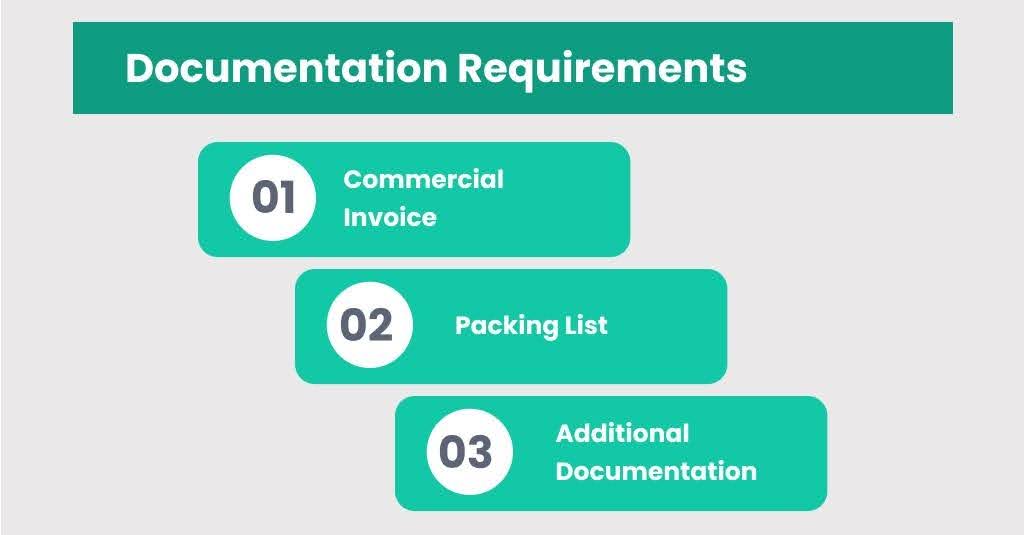
Commercial Invoice
Invoices must include:
- Detailed product descriptions
- Material composition
- Intended use
- Quantity
- Unit value
- Total value
- Country of origin
Avoid vague descriptions like:
- “packaging materials”
- “boxes”
Instead use:
- “corrugated cardboard shipping boxes”
- “polyethylene packaging bags”
Packing List
Packing lists should identify:
- Product breakdown
- Quantity per carton
- Mixed material shipments
Additional Documentation
Depending on product type:
- Material safety data (for chemicals/adhesives)
- Compliance declarations
- Environmental certifications
- Product specifications
Importing Branded Packaging
Branded packaging includes:
- Printed boxes
- Custom labels
- Logo packaging materials
These may involve additional valuation considerations such as:
- Design costs
- Intellectual property
- Tooling or molds
Branded packaging may also be reviewed similarly to promotional merchandise in terms of valuation and usage.
Shipping Considerations
Packaging supplies are often imported in:
- Bulk shipments (full containers)
- LCL shipments (mixed inventory)
- Parcel shipments (small orders)
Bulk imports may resemble building materials or other high-volume goods in terms of logistics and cost structure.
Shipping method affects:
- Clearance process
- Documentation
- Cost efficiency
Common Compliance Risks
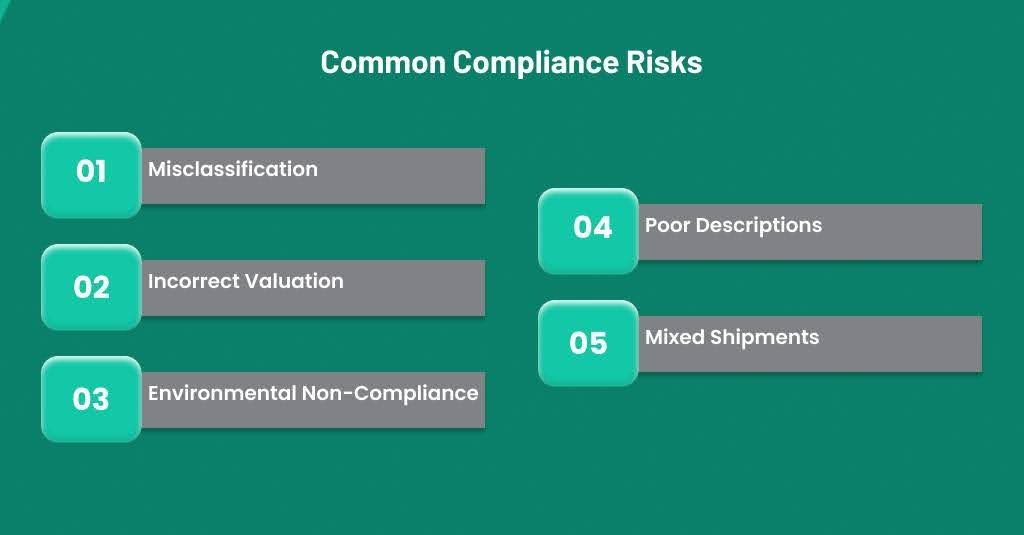
Importers of packaging supplies often face:
Misclassification
Incorrect categorization based on material.
Incorrect Valuation
Ignoring branding or tooling costs.
Environmental Non-Compliance
Importing restricted materials.
Poor Descriptions
Generic invoices leading to delays.
Mixed Shipments
Different materials grouped under one classification.
Best Practices for Importing Packaging Supplies
- Identify material composition clearly
- Classify each product correctly
- Verify environmental compliance
- Use detailed product descriptions
- Declare full value including branding costs
- Separate mixed materials in documentation
- Maintain compliance records
Conclusion
Importing retail packaging supplies into Canada involves more than sourcing low-cost materials. With increasing regulatory focus on environmental compliance and proper classification, importers must take a structured approach to customs.
By ensuring accurate classification, proper valuation, and regulatory compliance, businesses can reduce delays, avoid penalties, and manage import costs effectively.
FAQs
Are packaging materials subject to duties in Canada?
Yes, duties depend on material and origin.
Are plastics restricted in packaging imports?
Some single-use plastics may face regulatory restrictions.
Do branded packaging materials affect valuation?
Yes, branding and design costs must be included.
Can I import mixed packaging materials in one shipment?
Yes, but each material may require separate classification.
Do packaging supplies require country-of-origin marking?
Yes, where applicable.
Can CBSA inspect packaging shipments?
Yes, especially for classification and compliance.
Are environmental regulations important?
Yes, especially for plastics and recyclability.
Do I need detailed invoices?
Yes, vague descriptions can delay clearance.
